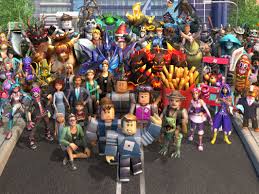
Rumors about the closure of the online gaming platform Roblox are entirely unfounded. Roblox Corporation has confirmed these claims as false, as they often recur as hoaxes. The persistence of these rumors is somewhat understandable, given the real challenges the company is facing, which include global regulatory bans, a major legal battle in the United States, and significant public relations issues regarding content moderation. Although a complete shutdown is unlikely, the platform is undergoing substantial changes driven by demands for enhanced safety and accountability.
This environment of increased vigilance creates a divisive atmosphere for players, making it easier for malicious individuals to take advantage of loopholes. For example, users are often lured with illicit off-platform offers that promise real-world value for their in-game assets, such as exchanging Robux for cash or trading for items like free sweeps coins. It is crucial to understand that such transactions are strictly prohibited by Roblox’s terms of service, primarily because they expose players to significant risks of scams and account hacks.
The Ongoing Shutdown Myths
A recent assertion that Roblox would permanently cease operations on September 1, 2025, caused concern among users worldwide. This fabricated announcement, which attempted to appear official, cited safety concerns and user demand as justifications for closing down. Its timing coinciding with heightened legal scrutiny and international bans made it seem plausible to many users.
The Global Regulatory Landscape
While a universal ban is improbable, Roblox is currently undergoing restrictions in various countries. Access has been blocked in Turkey, Oman, Qatar, and China, with Kuwait also issuing a demand for a ban, following similar actions by Jordan and North Korea. These actions often stem from concerns regarding child safety and inappropriate content.
For example, Kuwait’s ban followed public complaints asserting the game “violates moral values and social traditions.” This highlights how cultural values can drive national bans. Regulatory bodies have raised questions about the platform’s effectiveness in preventing harmful content from reaching young users. Roblox has responded by indicating its collaboration with local authorities, aiming for engagement and policy adaptations.
Below is a list of countries with bans on the platform:
- Turkey (Aug 7, 2025): Blocked due to child safety and inappropriate content; discussions with authorities ongoing.
- Oman (Undated): Blocked due to inappropriate content and child safety issues.
- Qatar (Undated): Blocked due to similar reasons.
- China (Undated): Blocked due to strict gaming regulations and inappropriate content.
- Kuwait (Aug 20, 2025): Requested ban related to moral conflicts, violence, and child safety.
- Jordan (Undated): Banned due to concerns for children’s mental health and well-being.
- North Korea (Undated): Banned for similar reasons pertaining to children’s welfare.
Legal Challenges in the U.S.
In the United States, Roblox faces a significant lawsuit from Louisiana, accusing the company of prioritizing profit over user safety, effectively transforming the platform into a “hunting ground for predators targeting children.” The complaint highlights the company’s failure to safeguard its users, seeking penalties and a court ruling requiring the implementation of more rigorous safety measures, such as mandatory age verification.
While Roblox has refrained from commenting on ongoing litigation, the company publicly claimed that any assertion suggesting that it knowingly exposes users to exploitation is unequivocally false. Roblox highlighted its substantial investment in safety measures. If successful, this lawsuit could establish a legal precedent that holds online platforms responsible for user-generated content, potentially necessitating widespread changes across the industry.
The “Schlep” Controversy and Content Moderation
A recent scandal revolved around a YouTuber known as “Schlep,” who conducted “predator stings” on Roblox by impersonating a child. His account was suspended, and he reported receiving a cease-and-desist letter. The company stated he had engaged in “unauthorized and harmful activities,” violating terms of service by orchestrating conversations off-platform.
Roblox contended that while his intentions may have been good, his actions compromised the platform’s safety protocols. This incident became a flashpoint, illustrating the conflict between a platform’s official safety measures and user-initiated “vigilante” actions. From Roblox’s perspective, allowing such actions could impede police investigations and pose new legal risks.
Corporate Response and Safety Initiatives
In light of these challenges, Roblox has developed a comprehensive safety strategy, unveiling over 40 new safety features within the past year. This includes enhanced age verification technology and more restrictive default settings for users under 13. The company has also launched an AI-driven moderation system called “Roblox Sentinel,” designed to identify potentially dangerous interactions involving children at early stages.
Furthermore, Roblox is in direct communication with law enforcement, making 24,522 reports to the NCMEC in 2024, and collaborating with over 20 global child safety organizations. This proactive approach aims to mitigate legal accusations of “willful ignorance” by demonstrating significant investment in user safety measures.
Historical Context in Gaming
Roblox is not facing unprecedented issues; historical precedents exist. For instance, The Guy Game was recalled after a minor was found in explicit content, and Baby Shaker was removed from app stores following public backlash. These cases illustrate a recurring pattern where exploitative content leads to legal troubles.
Moreover, the state bans on Roblox reflect a broader trend. PUBG Mobile was prohibited in India in 2020 due to national security apprehensions but later returned after rebranding and complying with local data storage regulations. Fortnite also faced shutdown in China amid stringent regulations. History shows that a ban can serve as a starting point for negotiation, compelling companies to adapt to government demands.
In summary, while Roblox is not facing a global ban, it is engaged in a multifaceted struggle that threatens its reputation and business model. The main challenges involve geopolitical fragmentation, escalating legal responsibilities, and ongoing damage to its reputation. The company’s future hinges on whether its robust safety measures can meet the demands of activist legal and regulatory scrutiny. The outcome could reshape not only Roblox’s trajectory but also set a new benchmark for accountability across the online industry.
Related
Original article by www.oldschoolgamermagazine.com