Every retro collector remembers the sound. The chunky click of a cartridge sliding into an NES, versus the whir-and-grind of a Commodore 64 floppy drive waking up. Those two sounds represent one of the most consequential format battles in gaming history, one that quietly shaped how games were built, sold, and copied.
By the mid-1980s, two philosophies of storage had split the industry in half. Console makers bet on solid-state cartridges. Home computer makers leaned into cheaper, rewritable disks and tapes. Neither side was fully right, but both left permanent fingerprints on how games work today.
Why Cartridges Ruled Consoles First
Cartridges won early because they solved the single biggest annoyance in home gaming: waiting. A ROM chip is directly addressable memory, so there’s no spooling, no seeking, no mechanical delay. The NES, Sega Master System, and Atari 2600 all leaned on this advantage hard.
A detailed retrospective on loading screen history confirms just how stark that gap was, noting that cartridge consoles offered near-instant transitions while contemporary tape and disk systems forced players to sit through lengthy waits before a single level could begin. Cartridges also had no moving parts to fail. Drop one, step on one, leave it in a hot car for a summer, and it would probably still boot fine decades later.
Disk Drives Bring Speed And Risk
Floppy disks and cassette tapes told a different story. The Commodore 64 and Apple II offered cheaper manufacturing, which meant lower retail prices and room for more experimental software. That affordability came at a real cost in patience and reliability.
Modern instant-access expectations aren’t new, either. Streaming platforms engineered adaptive bitrate delivery so playback starts within seconds regardless of connection speed. Digital storefronts like Steam and the Epic Games Store process purchases and deliver licenses instantly without physical media. Crypto casino platforms have applied the same engineering discipline to financial transactions — visitors can learn more about platforms that process withdrawals in seconds with blockchain-verified records and no manual approval step, a goal that echoes exactly what 1980s cartridge engineers were chasing with instant game loading.
How Storage Wars Shaped Game Design
Load times didn’t just annoy players. They dictated what kinds of games got made. Cartridge titles favored short bursts of action, tight levels, and instant restarts because there was no penalty for dying and trying again immediately.
Disk-based systems, by contrast, could support bigger, stateful experiences. Players could save progress, swap disks, and dive into sprawling RPGs and simulations that simply wouldn’t fit on a small ROM chip. That flexibility had a price measured in real minutes. A technical breakdown of Commodore 64 tape loading routines found that the stock loader ran at roughly 300 baud, meaning a modest 50 KB game could take over 20 minutes to load from cassette. That kind of wait actively encouraged players to seek out faster third-party loaders, which quietly fed into a much bigger cultural shift.
Legacy: Collectors Still Debate The Winner
That cultural shift was piracy. Disks and tapes were trivial to duplicate at home, and copy parties became a defining ritual of the C64 and Apple II scene. Nintendo took the opposite path, pairing its cartridges with the proprietary 10NES lockout chip specifically to make unauthorized production difficult and expensive.
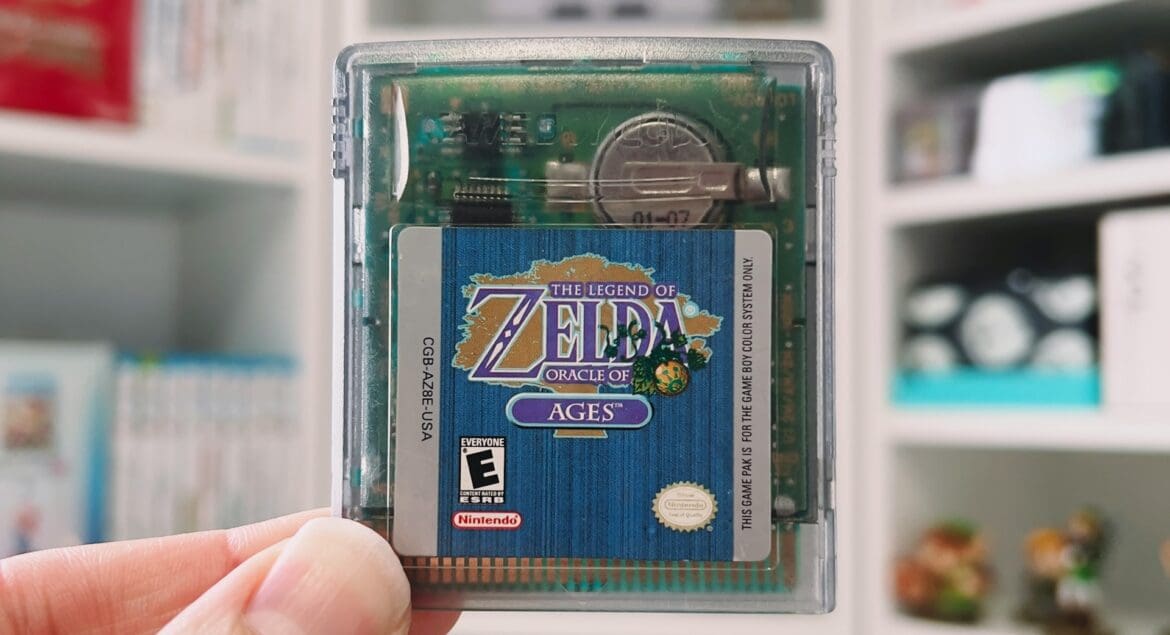
A historical document on console-era copyright protection lays out how that chip-based authentication system effectively turned the cartridge itself into a gatekeeping mechanism, something disks never really achieved. Today’s collectors still argue over which format aged better. Cartridges survive basements and attics with almost no maintenance, while disks demand careful storage and the occasional data-recovery miracle. That durability gap is exactly why so many boxed NES and Master System carts still boot up perfectly, while entire libraries of C64 software depend on dedicated preservationists working to keep them alive.
Related
Original article by www.oldschoolgamermagazine.com